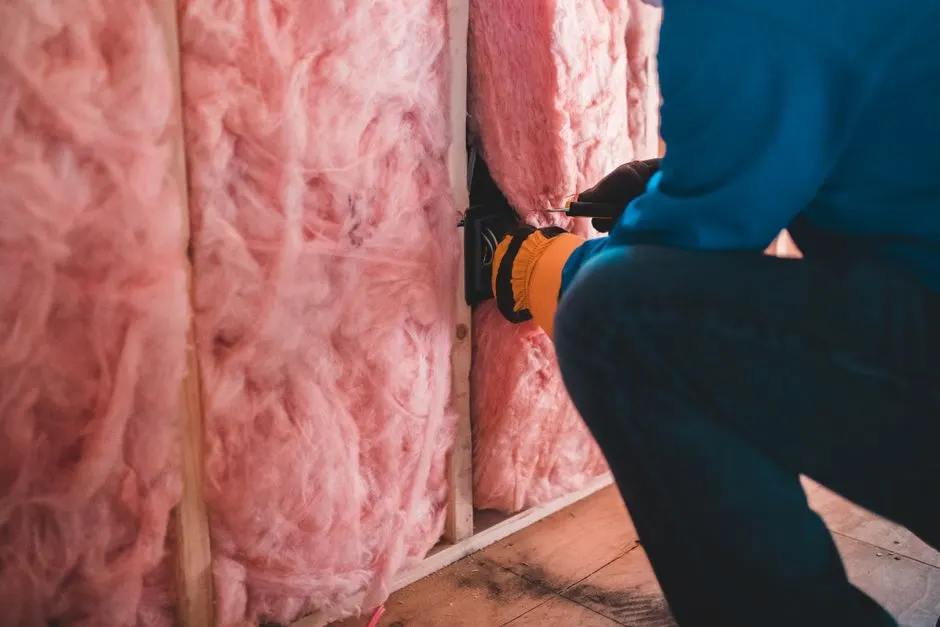
DIY spray foam removal in Lancaster is rarely safe or cost-effective: you risk structural damage, chemical exposure, and voiding your mortgage, and the savings are usually wiped out by hidden costs. Professional spray foam removal in Lancaster typically costs £1,800-£4,500 in 2026, depending on the area and foam type, and includes safe extraction, disposal, and a lender-approved report. This guide breaks down the real numbers, the risks we see every week, and how to decide which route is right for your home.
We are Forward Edge Spray Foam, and we have removed spray foam from lofts, roofs, and cavity walls across Lancaster and Lancashire. We have seen the aftermath of DIY attempts - from gouged rafters to chemical burns - and we have fixed them. Here is what you need to know before you pick up a scraper.
The short answer: DIY vs professional spray foam removal in Lancaster
DIY vs professional spray foam removal in Lancaster comes down to three factors: safety, cost, and whether you need a mortgage lender to sign off. If your foam is in a loft, on roof timbers, or in a cavity wall, DIY is a false economy. The foam is often closed-cell polyurethane, which is dense, sticky, and releases isocyanates when cut. You need breathing apparatus, full skin coverage, and a plan for disposal - none of which come cheap or easy.
Professional spray foam removal in Lancaster is a specialist job. We use dry ice blasting or thermal methods to freeze and fracture the foam without damaging the substrate, then extract it with HEPA-filtered vacuums. The cost is higher upfront, but it protects your roof, your health, and your property's mortgageability. For a typical three-bed semi in Lancaster, professional removal runs £2,200-£3,800. DIY might cost £400 in tools and materials, but the hidden costs - replacing damaged timbers, medical bills, or a failed mortgage survey - quickly exceed that.
If you are unsure which route fits your situation, start with an insulation assessment in Lancaster, Lancashire. We inspect the foam, test its adhesion, and give you a written report you can show your lender.
Why spray foam removal is harder than it looks
Spray foam is not like fibreglass or mineral wool. It is a two-part chemical that expands and bonds to whatever it touches - timber, brick, mortar, wiring, and pipework. Once cured, it is rigid and waterproof. That is great for insulation, but it makes removal a demolition job, not a tidy-up.
There are two main types: open cell and closed cell. Open cell is softer and lighter, but it still clings to every surface. Closed cell is dense and strong - it can support weight and resist water, which is why it is often used in roof decks and cavity walls. Removing closed cell foam without cutting into the timber underneath is nearly impossible with hand tools.
We use dry ice blasting spray foam removal in Lancaster, Lancashire for delicate jobs. Dry ice pellets freeze the foam to -78°C, making it brittle. We then blast it off with compressed air, leaving the timber clean and undamaged. It is fast, but it requires specialist equipment and training. You cannot replicate it with a wire brush and a hammer.
Another issue is access. Most spray foam in Lancaster homes is in lofts or roof voids. These spaces are cramped, poorly lit, and often have restricted headroom. Moving tools and extraction hoses through a 600mm loft hatch takes practice. Doing it while wearing a full-face respirator and protective suit is exhausting. Most DIYers give up after a few hours.
The real risks of DIY spray foam removal in Lancaster
The risks of DIY spray foam removal in Lancaster Lancashire are not just about a messy job. They fall into four categories: health, structural, legal, and financial.
Health risks
Spray foam contains isocyanates, which can cause asthma, skin irritation, and long-term lung damage. When you cut or sand cured foam, you release fine particles and chemical dust. A standard dust mask is not enough - you need an air-fed respirator or at least a P3 filter with a full face seal. We have seen homeowners develop rashes and breathing problems after a weekend of scraping.
There is also the risk of falls. Loft joists are often spaced 400mm apart with no boarding. One misstep and you are through the ceiling. In Lancaster, we have attended jobs where DIYers have fallen through and broken bones.
Structural damage
Spray foam bonds to roof timbers. If you try to chisel it off, you will gouge the wood. Deep gouges weaken the rafter and may require sistering or replacement. On a typical Lancaster roof, replacing two or three rafters costs £600-£1,200. That is before you factor in re-felting or tile repairs.
Closed cell foam can also hide rot. If water has been leaking into the roof, the foam traps it against the timber. When you remove the foam, you may find the wood is soft and needs replacing. A professional removal includes a timber survey, so you know exactly what you are dealing with.
Legal and mortgage risks
Many mortgage lenders in the UK refuse to lend on properties with spray foam insulation, especially if it is closed cell and applied to the underside of the roof deck. If you remove it yourself, you will need to prove to the lender that the work was done to a professional standard. Without a report from a qualified contractor, your buyer's surveyor may flag it, and the sale could fall through.
We provide mortgage lender spray foam removal in Lancaster, Lancashire with full documentation. That includes before-and-after photos, a method statement, and a certificate of safe disposal. Lenders accept our reports because we follow the British Standard for insulation removal.
Financial risks
DIY spray foam removal cost Lancaster homeowners often underestimate. The visible costs are scrapers, blades, respirators, and disposal bags - maybe £150-£300. But then you add skip hire for the foam waste, which is classified as hazardous in some cases. Lancaster City Council charges £45-£80 per tonne for commercial waste, and you cannot put spray foam in your domestic bin.
Then there is the cost of repairs. If you damage a rafter, that is £200-£400 per timber. If you puncture a water pipe or electrical cable, you are looking at £150-£500 to fix. And if you need to call us in to finish the job, you will pay the full professional price anyway - plus a premium for sorting out someone else's mess.
DIY spray foam removal cost Lancaster: what you'll actually spend
Let us break down the real numbers for a typical 3-bed semi-detached house in Lancaster with 40 square metres of spray foam in the loft.
- Tools and PPE: scraper, chisels, reciprocating saw, P3 respirator, disposable coveralls, gloves, goggles - £120-£250.
- Waste disposal: hazardous waste skip or specialist collection - £180-£350.
- Replacement materials: new timber for damaged rafters, insulation to fill gaps, sealant - £100-£400.
- Your time: 30-50 hours over several weekends. At minimum wage, that is £330-£550 in lost leisure or unpaid leave.
- Hidden repairs: punctured pipes, electrical faults, plasterboard damage - £200-£800.
So the DIY route costs £930-£2,350 in cash and time, with no guarantee of a clean result. And if you need a lender-approved report, you will have to pay a professional to inspect and certify it anyway - typically £250-£450.
Compare that to our spray foam removal near me Lancaster service, which starts at £1,800 for a standard loft and includes all labour, equipment, disposal, and certification. For most homeowners, the professional route is cheaper once you factor in risk.
Professional spray foam removal costs Lancaster: what you get
Professional spray foam removal costs Lancaster homeowners £1,800-£4,500 in 2026, depending on the type of foam, the area, and access. Here is what that price covers.
- Site survey and risk assessment: we check for asbestos, rot, and structural issues before we start.
- Containment: we seal the work area with polythene sheeting and negative air pressure to stop dust spreading through the house.
- Removal: dry ice blasting, thermal lancing, or mechanical extraction - whichever suits the foam and substrate.
- Timber treatment: if we find rot or woodworm, we treat it before closing up.
- Waste disposal: we bag and remove all foam waste, and provide a waste transfer note.
- Certification: a written report with photos, method statement, and compliance certificate for your lender.
We also offer same day spray foam removal Lancaster for urgent cases, such as when a mortgage survey is due or you have a leak that needs immediate attention. Same-day slots are limited, so call early.
For larger properties or commercial buildings, we provide commercial spray foam removal Lancaster with out-of-hours scheduling to avoid disrupting your business.
Common DIY spray foam removal mistakes Lancaster homeowners make
We have seen the same mistakes repeatedly. Here are the ones that cause the most damage.
- Using a heat gun. Spray foam releases toxic fumes when heated. A heat gun can also scorch timber and start a fire. We use thermal lances only in controlled conditions with fire suppression on standby.
- Cutting into rafters. It is almost impossible to remove closed cell foam without nicking the wood. Those nicks become weak points. We use precision tools and accept that some timber may need replacing - but we plan for it.
- Skipping PPE. A paper dust mask does nothing against isocyanate particles. You need a fitted respirator with P3 filters and full skin coverage.
- Bagging foam for the bin. Spray foam is not general waste. Lancaster City Council will not collect it, and fly-tipping it carries a fine of up to £400.
- Not checking for asbestos. If your home was built before 2000, the loft insulation or board may contain asbestos. Disturbing it is a serious health risk. We test before we touch anything.
If you have already started and realised it is beyond you, stop. We can take over and finish the job safely. Call us on 0152 457 4049 for advice.
When to call a professional
Call a professional if your spray foam is closed cell, if it is on roof timbers, if you need a mortgage certificate, or if you have any doubt about your safety. We handle residential spray foam removal Lancaster every week, from single lofts to entire housing developments.
We also recommend professional removal if you find any of the following:
- Foam that is hard and dense (closed cell).
- Signs of rot, damp, or woodworm under the foam.
- Foam sprayed directly onto electrical cables or pipework.
- A loft with limited access or no boarding.
- A lender or surveyor asking for a professional report.
Our team is trained in safe removal and disposal. We carry £5m public liability insurance and follow the British Standard for insulation removal. If you are in Lancaster or anywhere in Lancashire, we can usually survey within 48 hours.
Frequently Asked Questions
Is DIY spray foam removal safe in Lancaster?
No. DIY spray foam removal in Lancaster is not safe for most homeowners. Cured spray foam releases isocyanates when cut, which can cause asthma and skin damage. You also risk falls from loft joists and structural damage to roof timbers. Professional removal uses air-fed respirators, containment, and specialist tools to eliminate these risks.
How much does professional spray foam removal cost in Lancaster?
Professional spray foam removal in Lancaster costs £1,800-£4,500 in 2026. The price depends on the foam type (open or closed cell), the area in square metres, and access. A standard 3-bed semi loft typically costs £2,200-£3,800. This includes survey, removal, disposal, and a lender-ready certificate.
What are the risks of DIY spray foam removal in Lancaster?
The main risks are chemical exposure (isocyanates), falls through unboarded lofts, structural damage to rafters, and voiding your mortgage. You also risk fines for improper waste disposal. In Lancaster, we have seen DIYers spend £2,000+ on repairs after a failed attempt, which is more than professional removal would have cost.
Can I remove spray foam myself in Lancaster?
You can physically remove small areas of open cell foam with hand tools, but it is messy and slow. For closed cell foam, roof timbers, or cavity walls, DIY is not advisable. You will need specialist equipment and a waste disposal plan. If you need a mortgage certificate, you must use a professional contractor.
Is professional spray foam removal worth it in Lancaster?
Yes, for most homeowners. Professional removal protects your health, your roof structure, and your property's mortgageability. It costs £1,800-£4,500, but DIY often ends up costing more once you add repairs, disposal, and lost time. A professional report also satisfies lenders and speeds up house sales.
Get help with Spray foam removal in Lancaster
If you are dealing with spray foam that needs to come out, we can help. Forward Edge Spray Foam covers Lancaster and the surrounding Lancashire area, with safe removal, full certification, and upfront pricing. Call us on 0152 457 4049 to book your free assessment.